Kids Pointing to Sky Drawing
You are here: Home / Milestones / Baby Pointing: Such a crucial language development milestone
Don't laugh, but your baby's ability to point to what he or she wants is one clear sign of a highly evolved human being. So, when do babies start pointing?
Babies learn to point between 12 and 18 months old. Baby Pointing is a key body language development milestone along with waving bye-bye and other gestures. Why is this ability important? How soon should you be alarmed if your baby isn't pointing? Let's dive in a little deeper to find out.

Is Pointing Really that Big of a Deal?
Yes. Although it varies how frequent or early babies will point, it is their way of interacting with their world. It is also one of the earliest forms of communication for your little one; just the natural next step in his or her ability to communicate. Kids pointing at things they see or even want is an essential developmental milestone.
Why Is My Baby Pointing?
Your baby points for all sorts of reasons! They do it to express themselves, express desires, to share experiences with others, to draw attention to someone or something, and even to refer to things that are no longer there. More often than not, your baby is pointing to communicate something specific.
When Do Babies Start Pointing?
Pointing is just one physical or non-verbal way a child communicates. Others include hand gestures, arm waving, waving bye-bye, or lifting their arms in the air to ask to be carried.
When these gestures begin vary depending on who you ask. However, on average, your child will do one or all of these between 12 and 18 months.
Declarative Pointing
Pointing at a desired object is what is known as declarative pointing. This is when your child points to show something to someone else.
Imperative Pointing
A child pointing to something that he or she wants with the expectation that you will get it for them is what is known as imperative pointing.
Shared Attention
Your toddler's ability to point to something to draw your attention to it is a major developmental milestone and is called joint or shared attention. This is also one of the earliest signs of social interaction.
Development Milestones Pointing
Kid pointing is just one of many milestones in your child's brain development. It encompasses a combination of gross motor skills and language skills, including hand-eye coordination. If you want to become better at reading baby body language, becoming familiar with development milestones in pointing will help.
Advantages of Early Baby Pointing
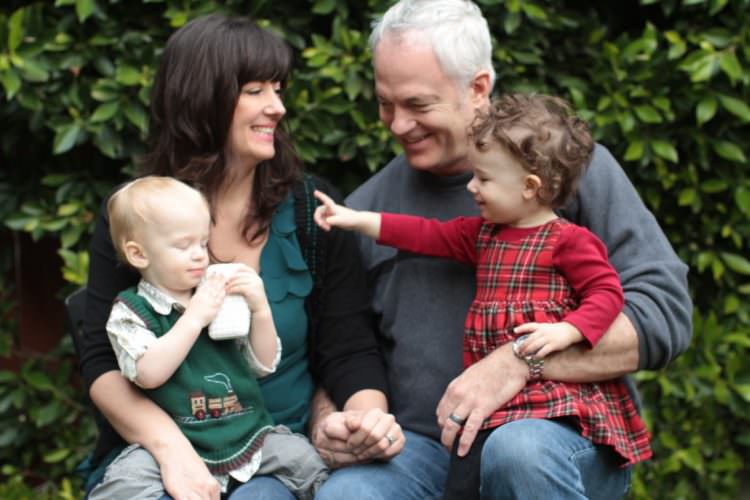
Toddler pointing and your child's use of gestures is a great predictor of his or her vocabulary size later on. Pointing basically paves the way for language development. More often, a child's first word will be something that he or she has pointed to previously.
Other notable developmental milestones include:
- Baby waving bye-bye (between 9 to 12 months)
- Clapping (9 months)
Easy Ways to Help Baby With Pointing
Baby pointing is important in child development. We at ADAM & Mila want to make it easy for you to help your baby with his or her child development pointing. Here are some tips on and easy practical ideas.
- Teach your baby to sign. Baby sign language is one effective way to teach your child to point.
- Model the behavior. This can be done easily! When you read books to your toddler point to the pictures or specific objects you see.
- Blow bubbles. If you blow bubbles for your baby and pop the bubbles with your fingers, soon your baby will use his or her finger to pop them too!
Find many more about Baby & Toddler Activities here
List of Baby Pointing Milestones
The following is an overview of the 11 distinct pointing development milestones from birth to two years old.
Shows Active Interest or Disinterest
Development Milestone emerges from age 1 to 6 months.
Within the first six months of your child's life, he or she will show signs of active interest in people or objects with eye-gaze and body language for at least one minute. Your baby will also do this to avoid interaction. Examples include smiling and turning away, which occur frequently through parent-child interactions.
Gestures to Continue or Stop Activities
Development Milestone emerges from age 4 to 5 months.
It is likely at this age that your baby will gesture either for you to continue with a favored activity or stop when he or she does not want to do it anymore. Examples of this behavior will include arm waving or turning away for more than a few seconds.
Raises Arms to Parents
Development Milestone emerges from age 5 to 9 months.
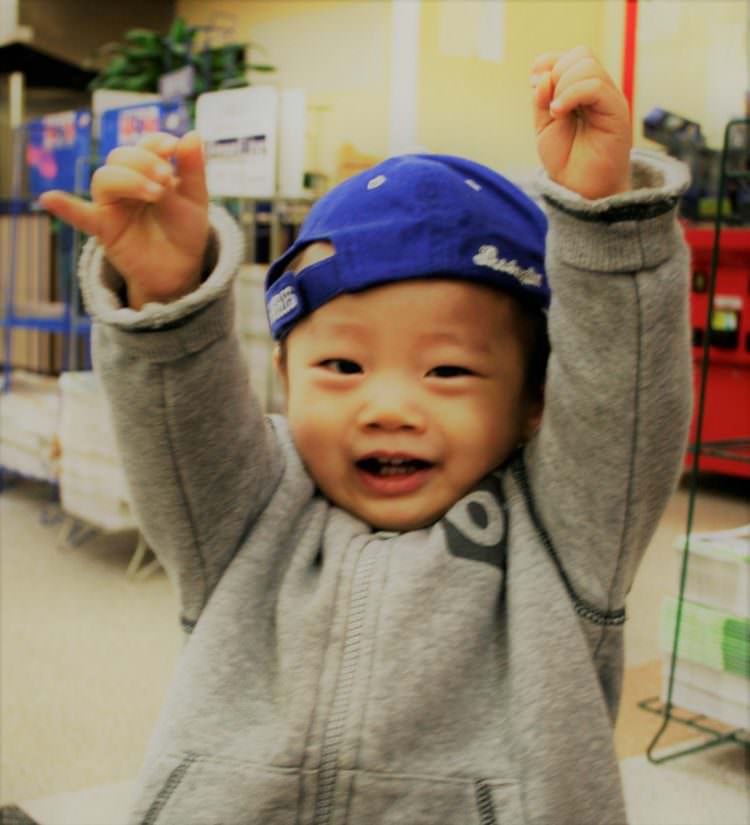
When your baby is younger, between 5 to 7 months, he may do this just to be closer to his parents or trusted caregiver. As he gets older, between 5 to 9 months; when your baby does this, he is basically asking to be rescued from strange or unfamiliar situations.
Waves Bye-Bye
Development Milestone emerges from age 6 to 9 months.
It is such a joy to witness for the first time your baby waving bye-bye. At this age, your baby probably doesn't understand the full meaning of it and may wait to do it when the person is out of sight. Your baby's wave may vary. He may use his arm or just a subtle opening of his hand when it is at his side.
Holds Out Toy
Development Milestone emerges from age 9 to 12 months.
When your baby girl wants you to look at something she will hold it out as a way to communicate that is what she wants you to do. She will do this for approval, acknowledgment, explanation, or to share. Additionally, she will alternate her eye-gaze between you and the object.
Understands Pointing
Development Milestone emerges from age 12 to 14 months.
At this age, you will be able to better understand what your toddler wants. This is because she now understands that if she wants something she can simply point to it. Additionally, she will alternate her eye-gaze between you and the object to further communicate that she wants it.
Waves Bye Without Imitation
Development Milestone emerges from age 12 to 15 months.
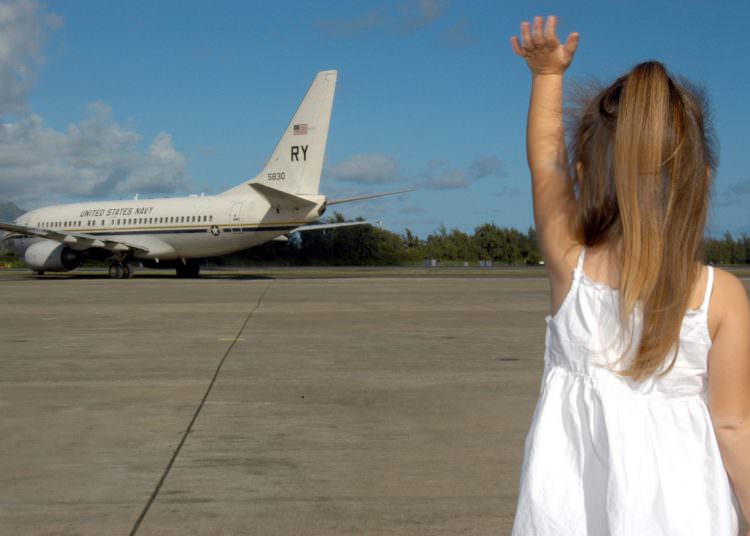
Your child no longer needs to see you or another person wave "bye" in order to wave "bye-bye" in return. Modeling is no longer necessary. Verbal cues are enough for your child to respond with a wave. At this age, your child's waving gesture is also a lot more developed.
Gives Toys Upon Request
Development Milestone emerges from age 12 to 15 months.
When your little one wants you to either look at, share, explain, or help with an object or toy, he will spontaneously give it to you. Afterward, there may be a bit of back and forth between the two of you before he proceeds to play with the toy with you.
Gestures to Indicate Need
Development Milestone emerges from age 12 to 19 months.
How can you tell what your child needs? At this age, your toddler uses a combination of conventional gestures. Such as holding out hands, pointing, shaking his head, showing, twisting palms, taking an adult's hand to communicate "I want," "help," "pick me up,"I don't want," "all gone," and "tell me what this is."
Points to Distant Objects
Development Milestone emerges from age 17 to 19 months.
You may notice your child gazing out of a window, noticing distant sounds, or pointing at something that is too far away to reach. To draw attention to those distant objects your toddler with spontaneously point to them. Examples of distant objects include airplanes, fire trucks, cars, birds, the sun, or the moon.
Grabbing Pushing and Pulling
Development Milestone emerges from age 18 to 24 months.
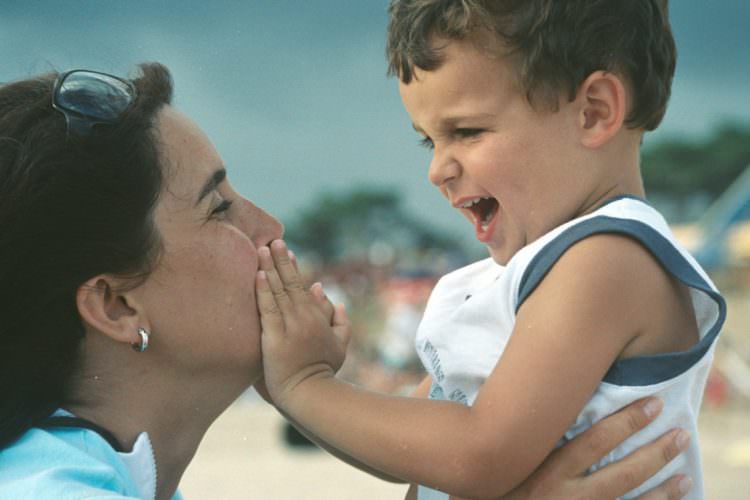
At this age, verbal communication is still limited. In order to communicate her wants and needs with other children, your child may use aggressive physical gestures like grabbing, pushing, or pulling. This is her way of telling the other child "I want that," "That's my toy," or "Play with me."
Most babies begin to point to objects on his or her own between 12 and 15 months. However, it is important to keep in mind that every baby learns at his or her own pace. So, don't worry! Always speak to your pediatrician for serious concerns. Otherwise, try out some activities with your baby to help her with her many other developmental milestones and remember to have fun!
We hope that this article was helpful to you. We would love to know what you think! Please share our article with others who might benefit from it.
Do a friend a favor! – Share this great resource with others who could benefit from it
Source: https://www.adam-mila.com/milestones/language-development/pointing/

Post a Comment for "Kids Pointing to Sky Drawing"